14 October 2026
Why a Professional Carpet Mold Inspection Matters for Your Home
Presented by @carpetmoldinspectionworld
When you notice a musty smell in a room or see a dark stain creeping along the edge of your carpet, it is easy to write it off as a minor annoyance. I have seen homeowners do that for months, only to discover later that the problem was far worse than they imagined. Mold in carpet is not just a cosmetic issue. It can affect your indoor air quality, trigger asthma attacks, and cause structural damage to your home. The first step to solving it is a thorough carpet mold inspection.
I have been involved in mold remediation for over a decade, and I can tell you that most people do not realize how quickly mold can grow after water intrusion. A small leaky pipe under a bathroom sink or a basement flooding event that dries out on its own can still leave enough moisture trapped in the carpet fibers and padding for fungal growth to begin. By the time you see visible black mold or smell mildew, the colony has already been spreading for days or weeks. That is why professional assessment early on is so valuable.
What Happens During a Carpet Mold Inspection
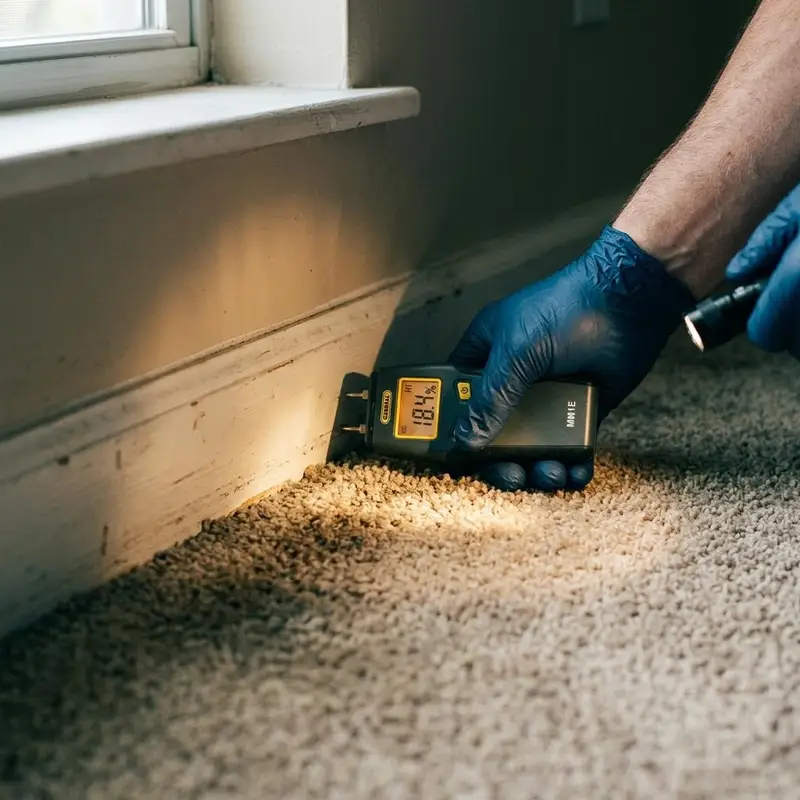
A proper carpet mold inspection is not the same as a general home inspection. While a home inspector might note visible moisture damage, a specialist trained in mold detection looks deeper. They use tools like moisture meters and borescopes to check the carpet backing, the padding underneath, and even the subfloor. They also take air samples to measure spore counts, which tells them whether the problem is localized or affecting the whole room.
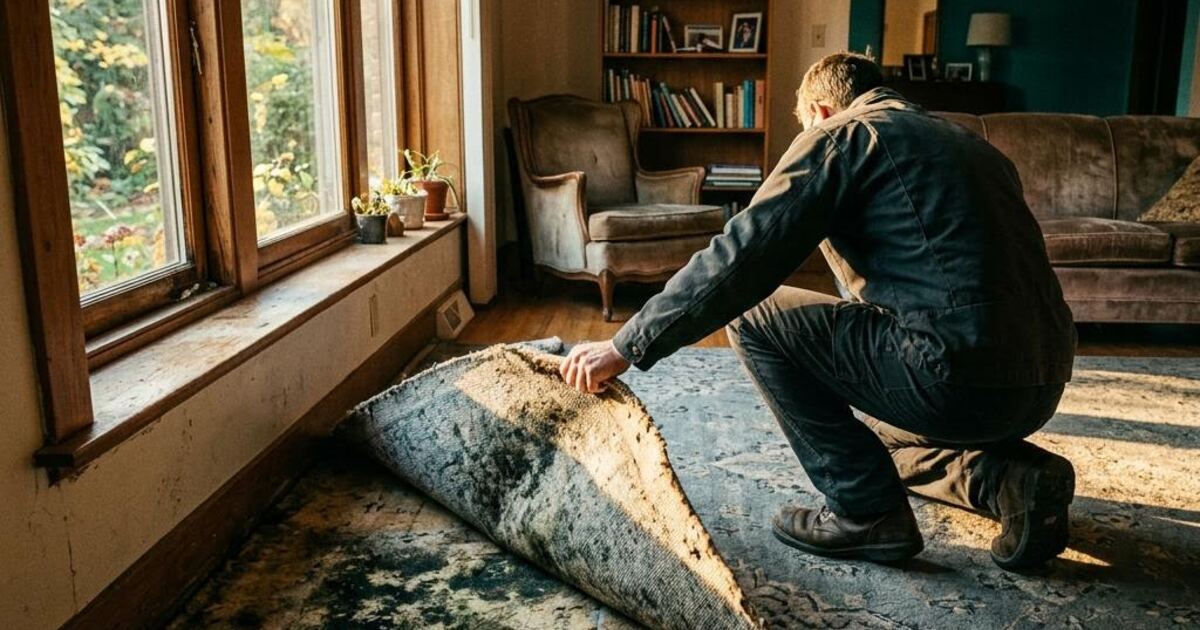
I remember one job where the homeowner insisted the carpet was fine because it looked clean on top. But when we lifted a corner near the wall, the padding was dark and slimy. The moisture had traveled from a slow leak in the wall, and the carpet had been hiding it for months. A standard home inspection would never have caught that. Only a dedicated carpet mold inspection revealed the extent of the issue.
Why You Should Not Rely on Carpet Cleaning Alone
Many people think that a good steam cleaning or carpet shampooing will kill mold. That is a dangerous misconception. Most carpet cleaning machines do not get hot enough or use the right disinfectant to kill mold spores. Even if they remove the surface stain, the roots of the fungal growth remain deep in the fibers and padding. The mold will come back, often worse than before, because the cleaning process added moisture to the carpet without drying it properly.
A professional assessment will tell you whether the carpet can be saved or if it needs to be replaced. In cases where the padding is saturated or the subfloor has begun to rot, removal is the only safe option. Trying to clean it yourself can actually spread spores into the air, making your indoor air quality worse and increasing asthma triggers for anyone in the home.
Common Causes of Hidden Mold in Carpet
Mold needs three things to grow: moisture, warmth, and a food source. Carpet provides the food source in the form of dust, skin cells, and the fibers themselves. The moisture can come from many places that are not always obvious.
- Leaky pipes under sinks or behind walls that drip onto the carpet edge
- High humidity that soaks into carpet fibers over time, especially in basements
- Poor ventilation that traps moist air near the floor
- Spills or pet accidents that are not dried thoroughly
- Condensation from an HVAC system that drips onto the carpet
Each of these sources can create a microclimate where mold thrives. The tricky part is that the carpet may look dry on the surface while the padding underneath stays damp for weeks. That is why humidity control is so important. A dehumidifier in a damp basement can make a huge difference, but it is not a substitute for a proper inspection.
The Health Risks of Ignoring Mold in Carpet
Mold in carpet is not just a structural problem. It is a health problem. Black mold is notorious for producing mycotoxins that can cause respiratory issues, headaches, and fatigue. But even common molds like Aspergillus and Penicillium can be asthma triggers and aggravate allergies. Children, elderly people, and anyone with a compromised immune system are especially vulnerable.
I once worked with a family whose toddler had been having unexplained coughing fits at night. The pediatrician could not figure out the cause. When we did a carpet mold inspection in the child's bedroom, we found a large patch of mold under the carpet near the baseboard. The carpet had been installed over a concrete slab that had never fully dried after a basement flooding event years earlier. The mold was releasing spores into the air every time someone walked on the carpet. After we removed the carpet and treated the subfloor, the child's symptoms cleared up within a week.
That case stuck with me because it shows how invisible these problems can be. You cannot always see or smell the mold, but it can still affect your health. An air purifier with a HEPA filter can help capture airborne spores, but it does not address the source. The only way to know for sure is to have a professional inspection.
How to Prepare for an Inspection
If you suspect you have a mold problem, there are a few things you can do before the inspector arrives. First, do not disturb the carpet. Do not vacuum it, scrub it, or try to clean it. Disturbing the carpet can release spores into the air and make the problem worse. Second, check your home for signs of moisture damage. Look for water stains on walls, peeling paint, or a musty smell. Third, note any areas where the carpet feels damp or looks discolored. This information helps the inspector focus their search.
During the inspection, the specialist will likely use a moisture meter to test the carpet and padding in multiple spots. They may also take tape samples or air samples to identify the species of mold present. The results will guide the mold remediation process. If the mold is confined to a small area, it might be possible to treat it with a disinfectant and dry the carpet thoroughly. If it has spread into the padding or subfloor, removal is usually necessary.
What to Expect After the Inspection
Once the carpet mold inspection is complete, you will receive a report detailing the findings. This report typically includes moisture readings, spore counts, and recommendations for remediation. If the problem is serious, the next step is to address the moisture source. That might mean repairing leaky pipes, improving drainage around the foundation, or installing a dehumidifier to keep humidity levels below 50 percent.
Mold remediation should always follow EPA guidelines. That means containing the affected area to prevent spores from spreading, using proper personal protective equipment, and disposing of contaminated materials safely. In some cases, you might also need to clean your HVAC system to prevent mold from circulating through the air ducts.
I have seen homes where the mold problem was solved for good once the moisture source was fixed and the carpet was replaced with a mold-resistant material. But I have also seen homes where people tried to cut corners by just spraying bleach on the carpet. Bleach does not kill mold on porous surfaces like carpet. It only bleaches the color, leaving the roots intact. That is a temporary fix at best.
When to Call a Professional
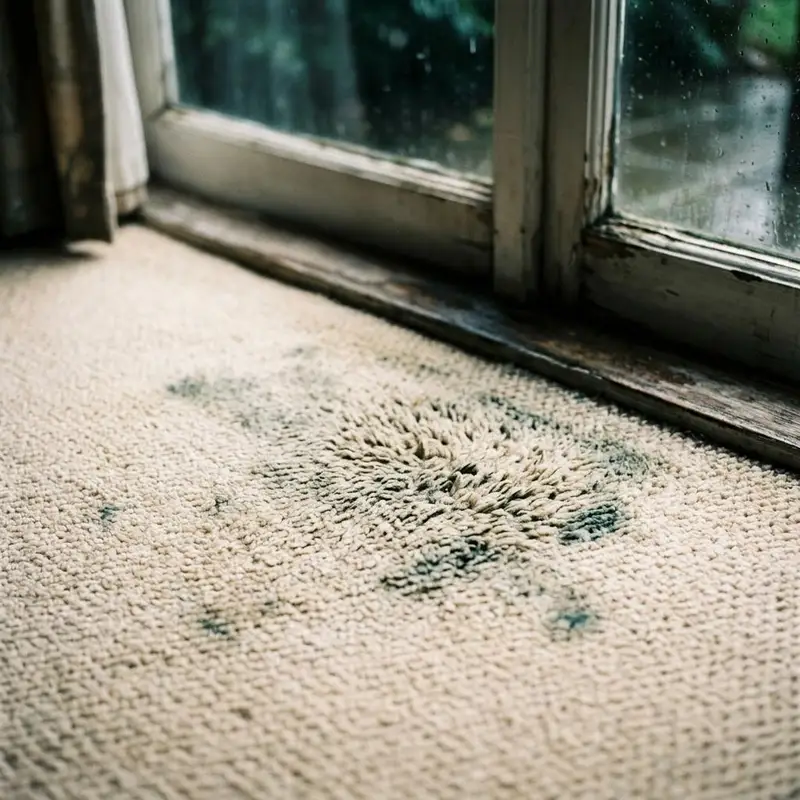
If you notice any of these signs, it is time to schedule a carpet mold inspection: a persistent musty smell, visible dark spots on the carpet, recent water damage from flooding or leaks, or unexplained allergy symptoms in your household. Do not wait until the problem is obvious. Mold can spread quickly, and the longer you wait, the more expensive the remediation will be.
Professional inspection services are not expensive compared to the cost of replacing a subfloor or dealing with long-term health problems. Most specialists offer a thorough evaluation that gives you peace of mind. And if the inspection finds no mold, that is a good outcome too. You will have saved yourself from worrying unnecessarily.
I always tell homeowners that a carpet is like a sponge. It absorbs everything that touches it, including moisture, dust, and mold spores. Once it gets wet, it takes a long time to dry completely, especially if the padding underneath is thick. That is why prevention is so important. Keep your home dry, fix leaks immediately, and consider using a dehumidifier in areas prone to moisture. But if you suspect a problem, do not guess. Get a professional carpet mold inspection and know for sure.